




Environment
At Kyass Tekstil, environmental responsibility is an integral part of all our production activities.
We ensure full compliance with applicable environmental legislation in Türkiye and systematically monitor and manage our environmental impacts in line with the ISO 14001 Environmental Management System.
We focus on reducing our environmental footprint through efficiency-driven practices in energy, water, waste, and chemical management. Our efforts include the use of renewable energy, heat recovery applications, and technologies that enhance resource efficiency to reduce our carbon footprint.
Waste reduction, increased recycling, and pollution prevention are among our key priorities. We regularly assess environmental risks and support initiatives that strengthen environmental awareness among our employees and stakeholders.

Environment Management System (EMS)
At Kyass Tekstil, we manage our environmental performance in line with the ISO 14001 Environmental Management System Standard and applicable national environmental legislation. We regularly monitor our compliance obligations and focus on continuous improvement by tracking defined performance indicators.
We assess our environmental impacts through a risk- and opportunity-based approach, and measure our processes through practices such as Higg FEM verifications, carbon footprint analyses, and Zero Waste certification, ensuring transparent monitoring and reporting of our environmental performance.
Energy
At Kyass Tekstil, energy management is based on the regular analysis of consumption data and the continuous monitoring of energy use. Approximately 35% of our electricity consumption is supplied by our on-site solar energy system (GES), supporting the reduction of our carbon footprint.
Process water sourced from groundwater is heated through an integrated heat recovery system linked to dyeing wastewater, enabling up to 25% savings in natural gas consumption. In addition, the drying machines used in our facilities are selected from energy-efficient, environmentally friendly models designed to minimize energy consumption.
Furthermore, an artificial intelligence–based energy and water management system is planned to be implemented within the dyeing monitoring system, with the aim of optimizing processes at the highest possible efficiency levels.
Water Management
As of 2024, 94% of our water demand is supplied from groundwater wells, while the remaining 6% is sourced from the municipal water network. Taking the environmental impacts of groundwater use into account, improvement initiatives are being implemented to reduce water withdrawal. Thanks to our batch dyeing processes, water consumption can be monitored on a batch basis, and the recovery of dyeing and washing baths aims to significantly reduce groundwater use over time.
To mitigate long-term water-related risks, evaluations are ongoing for the installation of a rainwater harvesting system. In addition, the “Waterless Dyeing” R&D project carried out in collaboration with STT Kimya stands out as an innovative solution to further reduce water consumption. This initiative aims to significantly lower water and auxiliary chemical use compared to conventional dyeing processes and to establish a closed-loop, low environmental impact production model. Positive results obtained from pilot studies indicate strong potential for further improvement in our water management performance.
Wastewater Management
Domestic and industrial wastewater generated at our facility is regularly analyzed and managed in compliance with applicable legal requirements. All wastewater is discharged to the Çerkezköy Organized Industrial Park Wastewater Treatment Plant, and the process is carried out in full compliance with environmental regulations.
Air Emissions
At Kyass Tekstil, air emissions are managed in compliance with applicable legislation and international standards. Air emission measurements are conducted on a regular basis at our facilities.
Our greenhouse gas emissions are planned to be calculated in accordance with ISO 14064-1, covering Scope 1, Scope 2, and Scope 3 emissions. In addition, efforts to support the use of renewable energy through I-REC applications are ongoing.
Waste Management
Our wastes are managed through source separation in accordance with the Waste Management Regulation and the Zero Waste Regulation. Packaging, hazardous, and non-hazardous wastes are transferred to authorized recycling and disposal facilities through licensed service providers, supporting resource efficiency through the recovery of recyclable materials.
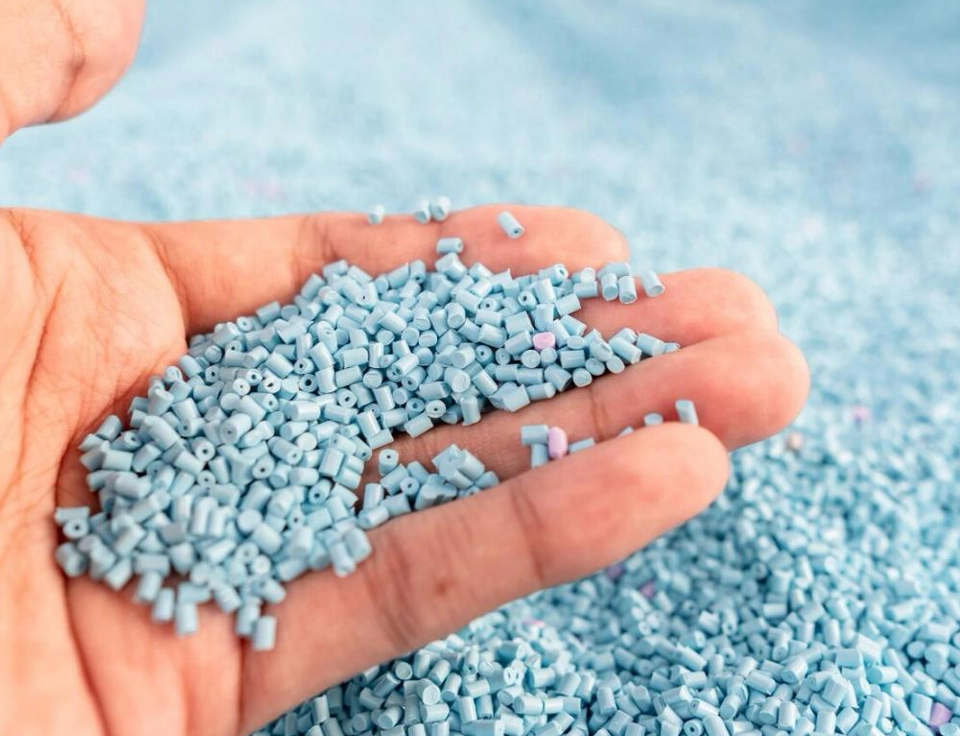
In addition, KYASS Tekstil contributes to the Polyreco polyamide recycling project to support the recovery of polyamide-based textile waste generated from seamless production processes. These initiatives strengthen our waste reduction efforts and circular economy objectives.
Chemicals Management
At Kyass Tekstil, chemical and dye sourcing processes are managed in line with MRSL and ZDHC requirements. Chemical management is handled systematically within the scope of the ISO 45001 Occupational Health and Safety Management System, with a comprehensive chemical inventory in place and regular risk assessments conducted.
Chemical storage and usage are managed in accordance with health and safety criteria, and appropriate personal protective equipment is provided to employees. Thanks to the automatic dosing system used in the dyehouse, chemicals are transferred to machines without manual contact, minimizing employee exposure.
Circularity
At Kyass Tekstil, we embrace the circular economy approach as a key driver for increasing resource efficiency and reducing environmental impacts. We focus on minimizing waste generation and supporting recovery throughout our production processes.
In this context, we collaborate with Polyreco to recover polyamide-based textile waste generated from seamless production processes, and strengthen circularity in our operations through waterless dyeing R&D studies conducted in cooperation with STT Kimya, aiming to reduce water and chemical consumption.